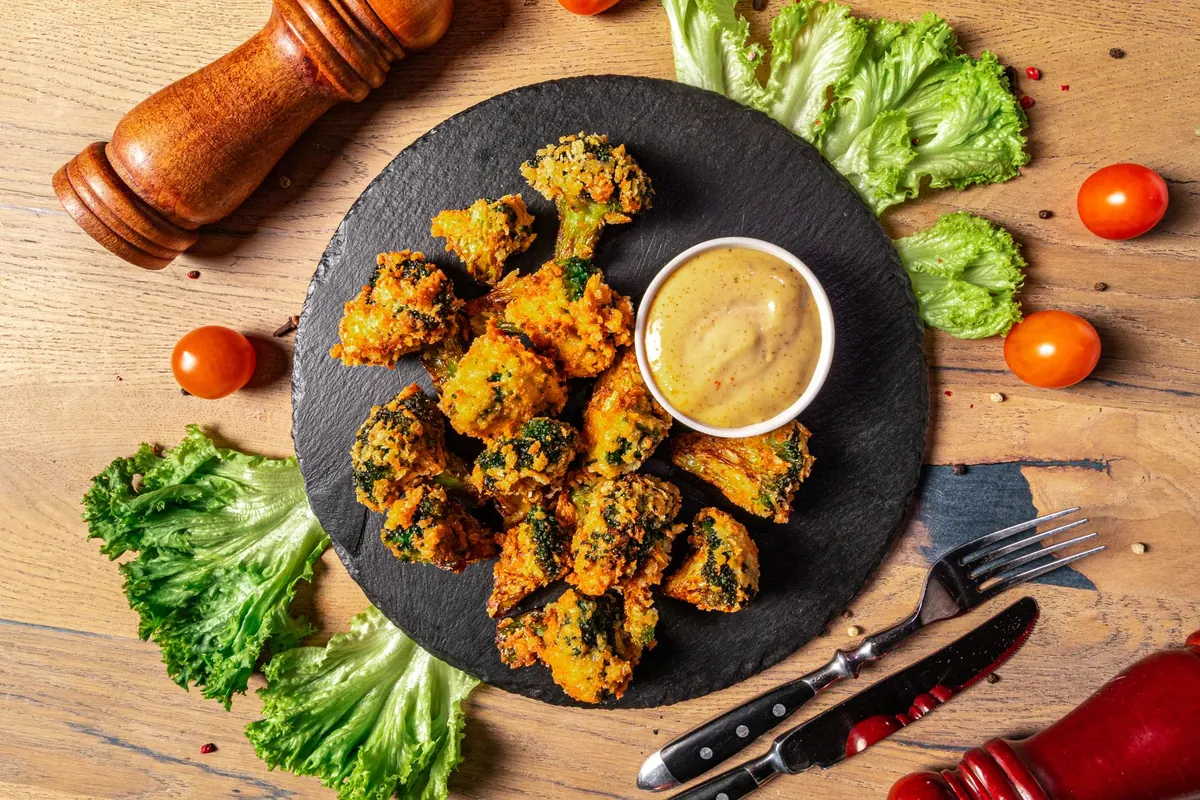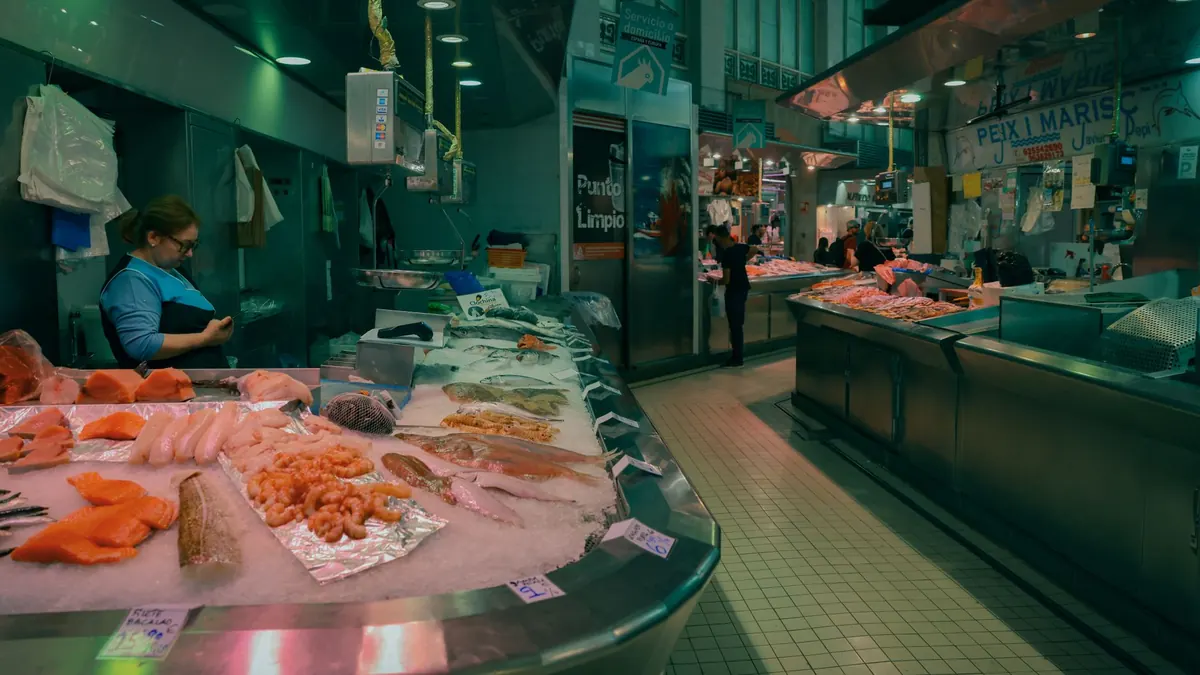
Your first visit to a British chip shop can feel like walking into a conversation that started without you. The queue knows its order, the fryer is calling out numbers, and the menu reads like shorthand: supper, single, scraps, salt and sauce. None of it is complicated once someone translates. What follows is that translation — what the words mean, what to ask for, and how to order without holding up the line.
The words on the wall, translated
Chippy vocabulary shifts from town to town, which is why two locals can disagree about the correct term and both be right. Learn the shape of it rather than the exact wording.
A supper, in Scotland and parts of northern England, means the fish comes with chips. Order a fish on its own elsewhere and you may get just the fish, so if you are unsure, ask whether chips are included. Single usually means one portion of chips. If a shop asks whether you want it open or wrapped, they are asking if you plan to eat straight away — open means the paper stays loose so the steam escapes, wrapped means it is sealed for the journey home. Eating in and takeaway can be priced differently, so say which you want at the start.
And yes, chips are the thick, floury kind, soft in the middle and crisp at the edges. Nobody in a chippy will understand a request for fries, and you should not want one.
Choosing your fish
Cod is the safe default: mild, white, flaky, and the most common order in most of England. Haddock is firmer with a little more flavour and is the standard in Scotland and the north-east. Beyond those two you will often find hake, plaice, skate, pollock, and rock salmon, which is a name used for dogfish and has nothing to do with salmon.
If you want to eat like someone who has been going there for years, ask what the shop does best. Counter staff will happily tell you which fish came in fresh that morning, and that is usually the answer worth taking. Fishing is battered and fried to order, so a short wait is normal and a good sign.
Chips, sides and the bits worth adding
The main event is obvious, but the supporting cast is what makes a chippy tea. You will usually be offered some of these:
- Mushy peas — marrowfat peas soaked and cooked down to a thick, dull-green purée, sometimes with mint. Sharp and earthy, and a fine counterweight to fried batter.
- Curry sauce — a mild, sweet, yellow sauce made for pouring over chips. Not a curry. Do not expect one.
- Gravy — more common in the north and in Scotland, and excellent over chips.
- Pickled onion or pickled egg — the sharp, vinegary punctuation mark at the end of the meal.
- Bread and butter — a slice or a buttered roll to make a chip butty. Squash the chips in, add sauce, eat.
- Sausage, saveloy, fish cake, pineapple fritter — battered and fried alongside the fish, and often what children order.
Scraps, bits and gribbles
These are the crunchy shards of batter that fall into the fryer, scooped out and sprinkled over your chips. In the north-east of England they are scraps; elsewhere you will hear bits or gribbles. Many shops hand them over free if you ask, some charge a little. The correct request is simply: "Any scraps?"
Mushy peas, done right
Order them if you want the full experience, and ask for them in a separate pot rather than poured over your fish. They keep the batter crisp and let you decide how much green goes on each forkful.
Salt, vinegar and sauce
The default vinegar is malt — brown, sharp and faintly sweet — not the clear stuff you might keep at home. Say "salt and vinegar, please" and both will be applied, usually salt first so it sticks. If you want your chips plain, say so the moment you order, because the shaker moves fast and you will not get a second chance.
Some people ask for vinegar on the fish as well, which softens the batter in a way that divides opinion. In Edinburgh, the local order is salt and sauce — a thin, brown, vinegary sauce that is a city institution and, elsewhere in Britain, a mild curiosity. If you are not sure how much vinegar you want, ask for it light, or ask for a sachet on the side. Ketchup, mayonnaise and tartare sauce are usually available in sachets.
How to order without holding up the queue
Chippy queues move quickly, and the person at the fryer is working from memory. Do everyone a favour and follow the same rhythm the regulars use.
- Decide before you reach the counter. Reading the menu while six people wait behind you is the only real crime here.
- Wait your turn. The queue is the order of service; there is no jostling for position.
- Give the fish first, then the chips. "Two cod and one large chips, please" is easier to process than three separate sentences.
- Answer the salt and vinegar question immediately. It is coming, and it comes fast.
- Ask for extras now — scraps, peas, curry sauce, a pickled egg — not after everything is wrapped.
- Pay, then step to the side. Keep the counter clear for the next person.
If you are prepared to wait a few minutes, ask whether the fish is fresh out or due out shortly. Fish straight from the fryer, with the batter still crackling, is worth five minutes of standing about. Friday evening between roughly five and eight is the busiest window of the week; go earlier or later if you can.
Regional quirks worth knowing
In Scotland, expect suppers, battered haggis and black pudding, and salt and sauce in Edinburgh. In the north-east of England, expect scraps and a great deal of pride in them. In the Black Country, some shops serve battered chips, which are exactly what they sound like. In seaside towns, the same fish somehow tastes better eaten outdoors, in the wind, with a wooden fork. None of these are rules, and every shop has its own way of doing things.
Eat them while they are hot
Chip shop food declines quickly. Eat it within sight of the shop if you can, and if you cannot, let the wrapper breathe on the way home rather than sealing the steam in against the batter. Leftovers reheat acceptably in a hot oven, but they will never be as good as they were on the walk back.
If you have a food allergy or follow a vegetarian or vegan diet, ask about the frying oil before ordering — some shops still fry in beef dripping — and about whether fish and chips share the same fryers, which affects cross-contact. Staff are used to these questions and will answer them plainly. Where the risk to you is serious, take advice from your GP or an allergy specialist rather than relying on a busy counter.
Then eat. That is the whole point, and nobody at the fryer expects you to do anything else.
Photo: TBD Traveller / Pexels